From Models to Medicines: Key Takeaways from the 28th SAPA-NE Annual Conference
The 28th SAPA-NE Annual Conference, “AI at the Bench - From Models to Medicines,” brought together leaders from pharma, biotech, technology, data science, clinical development, CMC, payer analytics, business development, and investment to explore one central question:
How do we move AI from promise to practice and ultimately to better medicines for patients?
Across a full day of keynotes, scientific sessions, hands-on workshops, breakout panels, and strategic discussions, one message became clear: AI is no longer a distant concept for life sciences. It is becoming a new operating model for how we discover, develop, manufacture, evaluate, and deliver medicines.
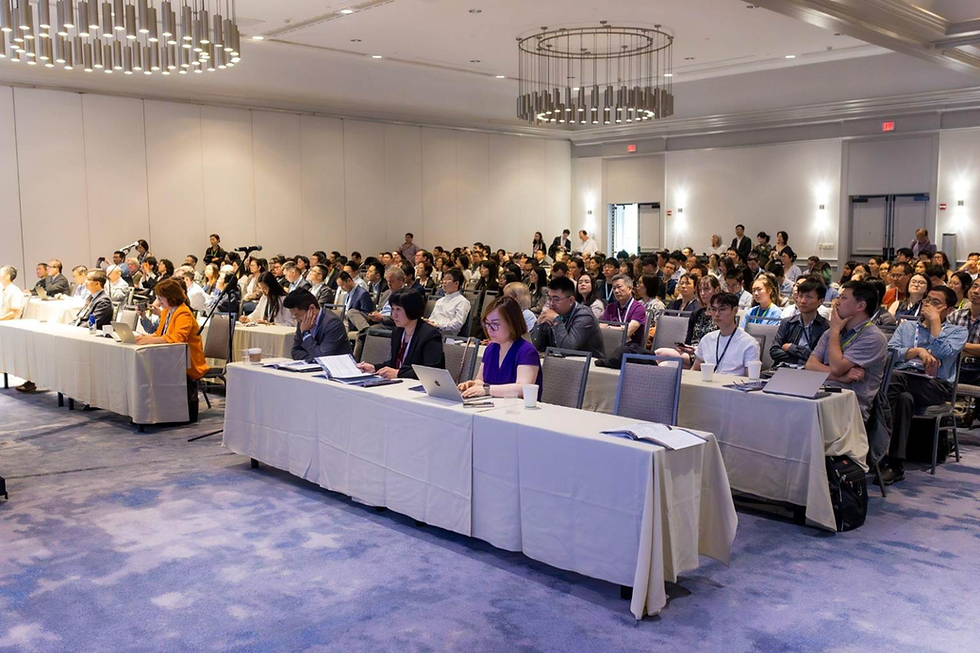
But the conference also highlighted a critical truth: AI impact delivers value not through models alone, but through the integration of high-quality data, redesigned workflows, automation, scientific judgment, regulatory awareness, organizational change, and talent that can bridge biology, computation, and business.
𝗢𝗽𝗲𝗻𝗶𝗻𝗴 𝗞𝗲𝘆𝗻𝗼𝘁𝗲: 𝗖𝗼𝗹𝗹𝗶𝗻 𝗕𝘂𝗿𝗱𝗶𝗰𝗸, 𝗢𝗽𝗲𝗻𝗔𝗜 𝗙𝗿𝗼𝗻𝘁𝗶𝗲𝗿 𝗔𝗜 𝗦𝘆𝘀𝘁𝗲𝗺𝘀 & 𝗕𝗲𝗻𝗲𝗳𝗶𝗰𝗶𝗮𝗹 𝗔𝗚𝗜 𝗔𝗽𝗽𝗹𝗶𝗰𝗮𝘁𝗶𝗼𝗻𝘀

Collin Burdick, Life Sciences GTM Lead at OpenAI, opened the conference with a powerful framing: AI in life sciences is not simply about building smarter tools. It is about equipping scientists, clinicians, operators, and leaders with frontier intelligence to fundamentally rethink how work gets done.
His talk highlighted the importance of connecting frontier models with proprietary data, specialized tools, human judgment, and governed workflows. The future interface of scientific work may look less like traditional software clicking and more like goal-driven reasoning, orchestration, and execution.
A key takeaway was the concept of return on intelligence: how much scientific impact can be generated per unit of time, cost, data, and human attention. As models become faster, cheaper, and more capable, the limiting factor will shift from the technology itself to an organization’s ability to redesign workflows, integrate AI into decision-making, and empower those closest to the problem.
Collin also emphasized a leadership principle that resonated throughout the day: future leadership is demonstration, not delegation. AI transformation will not happen because leaders approve tools from a distance. It will happen when leaders use them, model new behaviors, and help their teams change how they work.
𝗦𝗲𝘀𝘀𝗶𝗼𝗻 𝗜: 𝗔𝗜 𝗔𝗰𝗿𝗼𝘀𝘀 𝘁𝗵𝗲 𝗥&𝗗 𝗩𝗮𝗹𝘂𝗲 𝗖𝗵𝗮𝗶𝗻, 𝗖𝗵𝗮𝗶𝗿: Tao Long, Takeda
The first session explored how AI can reshape the R&D value chain, from target selection and therapeutic design to cell therapy development and payer communication.
𝗛𝗮𝗻𝘀 𝗕𝗶𝘁𝘁𝗲𝗿, 𝗧𝗮𝗸𝗲𝗱𝗮 𝗖𝗿𝗲𝗮𝘁𝗶𝗻𝗴 𝗮 𝗙𝗹𝘆𝘄𝗵𝗲𝗲𝗹 𝘄𝗶𝘁𝗵 𝗔𝗜, 𝗔𝘂𝘁𝗼𝗺𝗮𝘁𝗶𝗼𝗻, 𝗗𝗮𝘁𝗮, 𝗮𝗻𝗱 𝗧𝗮𝗹𝗲𝗻𝘁

Hans Bitter shared Takeda’s vision for the “lab of tomorrow” - a research model built around AI, automation, data, and talent. His message was direct: if AI is used only as an add-on to existing workflows, organizations will miss its true value.
Takeda is rethinking how targets are assessed, how therapeutics are designed, and how portfolio decisions are made. Hans emphasized that in the age of AI, data is the king especially in biology, where major data gaps remain across proteins, pathways, cells, tissues, organs, and human disease.
He also highlighted automation as a critical enabler, not only for generating more data, but for generating higher-quality, more reproducible data. Combined with AI and strong scientific judgment, this creates a flywheel where better data leads to better models, better models enable better experiments, and better experiments drive better decisions.
A particularly important theme was the evolution of scientific talent. The scientist of the future will be increasingly hybrid: wet lab scientists will need more fluency in statistics and AI, while computational scientists will need deeper understanding of biology, assays, and translational relevance.
𝗗𝗶𝗽𝗲𝗻 𝗦𝗮𝗻𝗴𝘂𝗿𝗱𝗲𝗸𝗮𝗿, 𝗞𝗦𝗤 𝗧𝗵𝗲𝗿𝗮𝗽𝗲𝘂𝘁𝗶𝗰𝘀 𝗙𝗿𝗼𝗺 𝗟𝗶𝘃𝗶𝗻𝗴 𝗗𝗿𝘂𝗴𝘀 𝘁𝗼 𝗟𝗲𝗮𝗿𝗻𝗶𝗻𝗴 𝗦𝘆𝘀𝘁𝗲𝗺𝘀
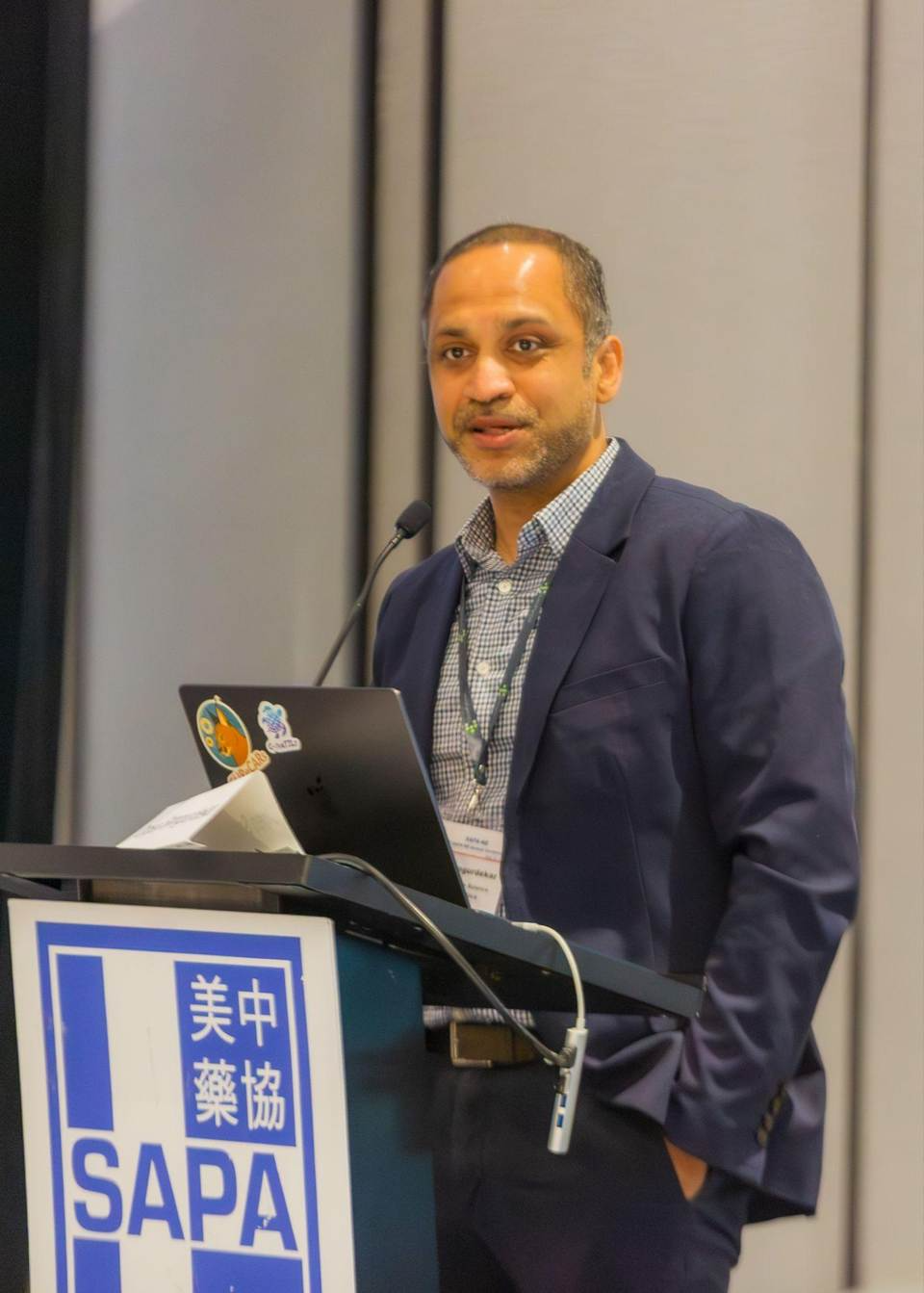
Dipen Sangurdekar KSQ Therapeutics, Inc., brought the discussion into the complex world of autologous cell therapy development. His talk focused on how data strategy and machine learning can make living drugs more measurable, interpretable, and clinically developable.
For complex modalities such as cell therapies, the challenge is not simply generating data, but creating learning systems that can connect patient biology, manufacturing variables, product attributes, biomarkers, and clinical outcomes. This is where ML can help turn complexity into actionable development strategy.
𝗥. 𝗝𝗮𝘀𝗼𝗻 𝗥𝗲𝗲𝗱, 𝗨𝗻𝗶𝘁𝗲𝗱𝗛𝗲𝗮𝗹𝘁𝗵𝗰𝗮𝗿𝗲 𝗗𝗿𝘂𝗴 𝗗𝗲𝘃𝗲𝗹𝗼𝗽𝗺𝗲𝗻𝘁 𝗮𝗻𝗱 𝗛𝗲𝗮𝗹𝘁𝗵 𝗜𝗻𝘀𝘂𝗿𝗮𝗻𝗰𝗲: 𝗦𝗽𝗲𝗮𝗸𝗶𝗻𝗴 𝘁𝗵𝗲 𝗦𝗮𝗺𝗲 𝗟𝗮𝗻𝗴𝘂𝗮𝗴𝗲

Robert Jason Reed, FSA, MS, MAAA UnitedHealthcare provided a valuable payer perspective. While pharma often thinks in terms of long-term patient outcomes and longitudinal evidence, health insurance often operates on shorter contract cycles and different financial models.
He explained that real-world evidence is powerful but complicated. Claims data can illuminate utilization and patient journeys, but it does not always capture the full clinical story. Emerging access to electronic medical record data may enrich payer analytics, but linking claims and clinical data remains a major challenge.
Jason also highlighted the complexity of drug pricing and reimbursement. Between manufacturer price and insurer cost, multiple intermediaries and calculations shape what payers actually see and pay. For drug developers, understanding this language is essential to communicating value.
On AI, he noted strong interest across health insurance, especially for reporting, underwriting, risk stratification, outreach, and operational workflows. At the same time, he emphasized the need for caution because healthcare data is highly sensitive, regulated, and difficult to integrate responsibly.
𝗦𝗲𝘀𝘀𝗶𝗼𝗻 𝗜𝗜: 𝗔𝗜 𝗶𝗻 𝗗𝗿𝘂𝗴 𝗗𝗶𝘀𝗰𝗼𝘃𝗲𝗿𝘆 & 𝗗𝗲𝘃𝗲𝗹𝗼𝗽𝗺𝗲𝗻𝘁, 𝗖𝗵𝗮𝗶𝗿: Hong Liu, Novartis
Session II moved deeper into AI-enabled drug discovery and development, spanning enterprise data, cancer antigen design, and quality assurance.
𝗕𝗶𝗿𝗴𝗶𝘁 𝗦𝗰𝗵𝗼𝗲𝗯𝗲𝗿𝗹, 𝗡𝗼𝘃𝗮𝗿𝘁𝗶𝘀 𝗙𝗿𝗼𝗺 𝗜𝗻𝘁𝗲𝗴𝗿𝗮𝘁𝗲𝗱 𝗥&𝗗 𝗗𝗮𝘁𝗮 𝘁𝗼 𝗕𝗲𝘁𝘁𝗲𝗿 𝗗𝗲𝗰𝗶𝘀𝗶𝗼𝗻𝘀 𝗮𝘁 𝗦𝗰𝗮𝗹𝗲
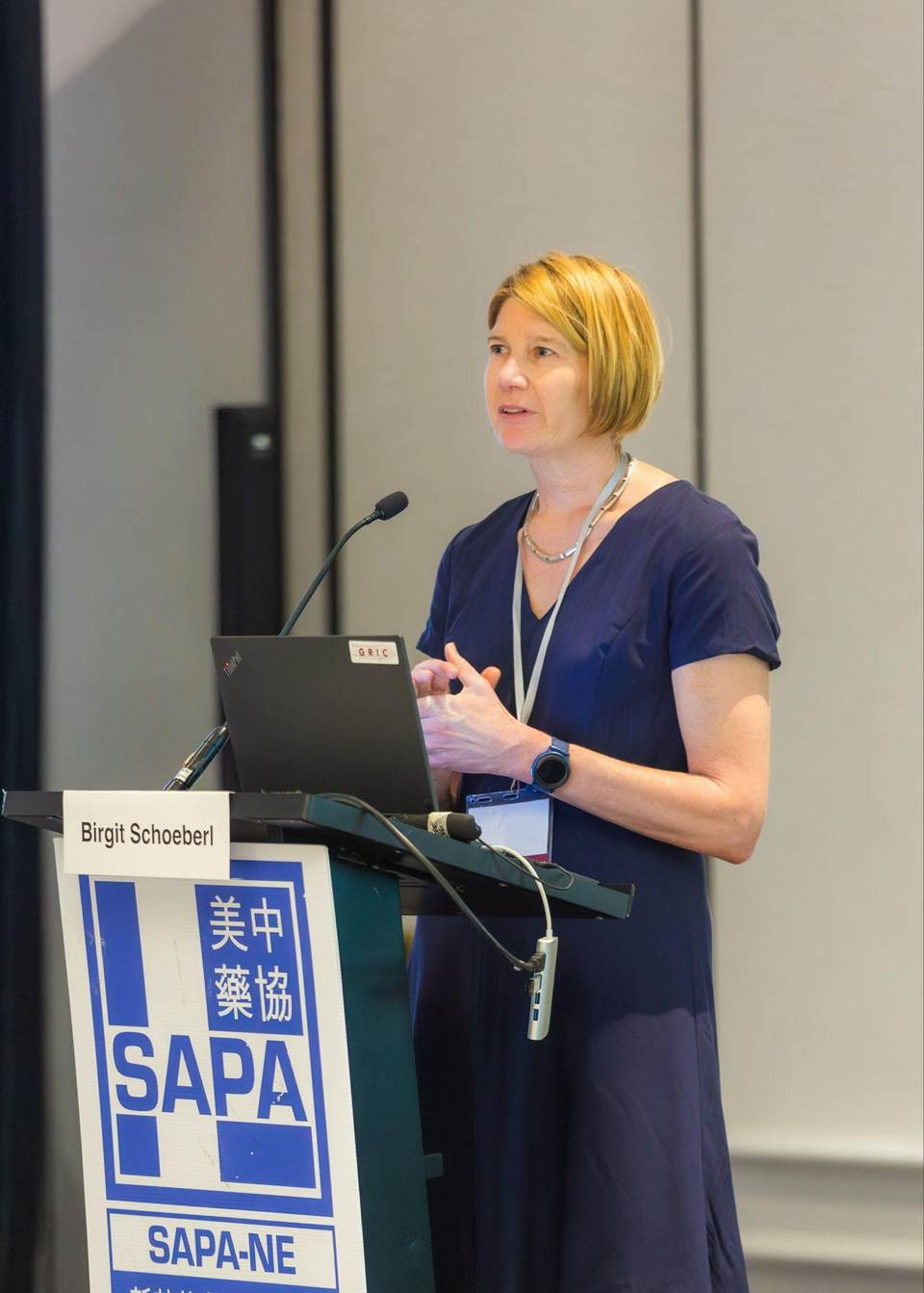
Birgit Schoeberl Novartis session highlighted the importance of integrated R&D data as the foundation for better decisions at scale. AI-ready data does not happen by accident. It requires a robust data strategy including data platforms, governance, and the ability to integrate data from discovery to clinical development.
Her talk reinforced a recurring theme of the conference: AI transformation starts with data transformation. Without structured, accessible, high-quality data, even the best algorithms will underperform.
𝗪𝗲𝗶 𝗭𝗵𝗲𝗻𝗴, 𝗠𝗼𝗱𝗲𝗿𝗻𝗮 𝗙𝗿𝗼𝗺 𝗔𝗻𝘁𝗶𝗴𝗲𝗻 𝗗𝗶𝘀𝗰𝗼𝘃𝗲𝗿𝘆 𝘁𝗼 𝗧-𝗖𝗲𝗹𝗹 𝗥𝗲𝗰𝗼𝗴𝗻𝗶𝘁𝗶𝗼𝗻

Wei Zheng shared how Moderna is applying AI/ML to cancer therapy design, particularly around T-cell immunogenicity. Her talk walked through the biological path from DNA to RNA to protein to antigen presentation and ultimately to T-cell recognition.
She highlighted Moderna’s use of wet lab technologies and computational approaches to improve antigen discovery, including AI-enabled analysis of immunopeptidomics data. The discussion showed how AI can improve both the quantity and quality of target identification, while enabling faster iteration across preclinical programs.
The broader message was that AI is most powerful when it is tightly connected to experimental biology. Models can prioritize, predict, and accelerate, but biological validation remains essential.
𝗝𝘂𝗹𝗶𝗮 𝗢’𝗡𝗲𝗶𝗹𝗹, 𝗗𝗶𝗿𝗲𝘅𝗮 𝗖𝗼𝗻𝘀𝘂𝗹𝘁𝗶𝗻𝗴 𝗘𝗺𝗽𝗼𝘄𝗲𝗿𝗶𝗻𝗴 𝗡𝗲𝘅𝘁-𝗴𝗲𝗻 𝗣𝗵𝗮𝗿𝗺𝗮 𝗗𝗲𝘃𝗲𝗹𝗼𝗽𝗺𝗲𝗻𝘁 & 𝗤𝘂𝗮𝗹𝗶𝘁𝘆 𝗔𝘀𝘀𝘂𝗿𝗮𝗻𝗰𝗲 𝘄𝗶𝘁𝗵 𝗔𝗜
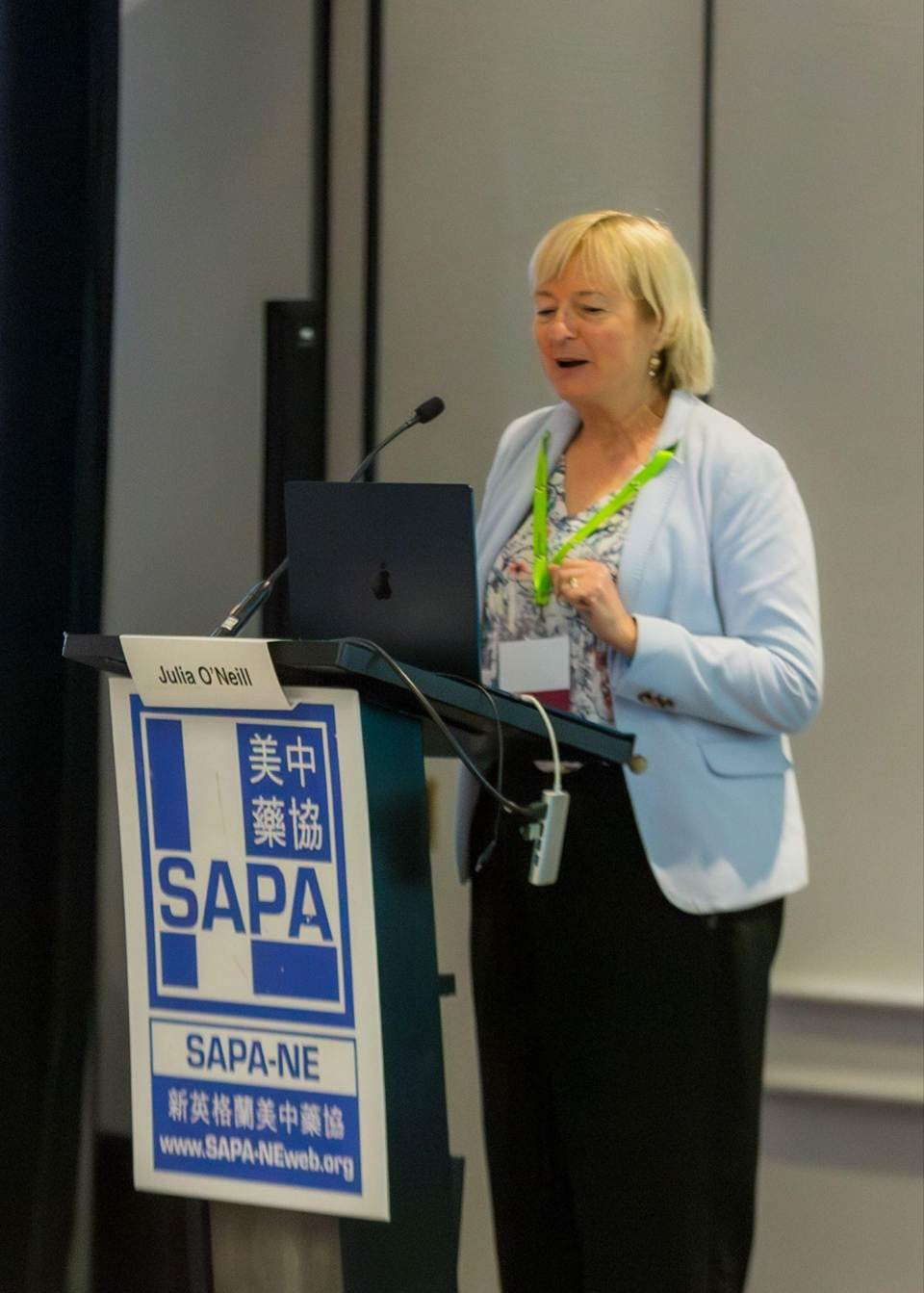
Julia O'Neill brought a practical and human-centered perspective to AI in pharma development and QA. She warned against the “error of the third kind”: getting the right answer to the wrong question.
Her message was especially relevant in the age of generative AI. As AI tools become more powerful, the ability to ask the right question becomes even more important. Scientific curiosity, cross-disciplinary thinking, primary data review, and strong listening skills remain essential.
Julia’s talk reminded the audience that AI can accelerate analysis and decision-making, but only if humans define the right problem, understand the context, and validate the output.
𝗦𝗲𝘀𝘀𝗶𝗼𝗻 𝗜𝗜𝗜: 𝗔𝗜 𝗶𝗻 𝗖𝗹𝗶𝗻𝗶𝗰𝗮𝗹 𝗗𝗲𝘃𝗲𝗹𝗼𝗽𝗺𝗲𝗻𝘁 & 𝗥𝗲𝗮𝗹-𝗪𝗼𝗿𝗹𝗱 𝗘𝘃𝗶𝗱𝗲𝗻𝗰𝗲, 𝗖𝗵𝗮𝗶𝗿: Huichu Li, Takeda
The afternoon clinical development session focused on real-world evidence, auditable agentic AI, and AI-enabled biologics discovery.
𝗦𝗵𝗲𝗻𝗴 𝗙𝗲𝗻𝗴, 𝗟𝗶𝗻𝗸𝗗𝗼𝗰 𝗥𝗪𝗘 𝗟𝗮𝗻𝗱𝘀𝗰𝗮𝗽𝗲 𝗶𝗻 𝗖𝗵𝗶𝗻𝗮

Sheng Feng LinkDoc Technology gave a comprehensive view of the rapidly evolving real-world evidence landscape in China and globally. He emphasized that RWE is not new, but its current momentum is being driven by regulatory openness, lower data costs, digital health infrastructure, and better understanding of how real-world data should be curated, analyzed, and regulated.
He discussed how RWD can support ongoing clinical trials and, in selected cases, may help replace or supplement traditional control arms. He also highlighted China’s growing infrastructure around health data, AI in clinical trials, ethical review, and access to insurance and hospital data.
The key takeaway: RWE is becoming a strategic tool in clinical development, but quality, methodology, and regulatory credibility remain critical.
𝗟𝗼𝘂𝗶𝘀𝗲 𝗟𝗶𝘂, 𝗛𝗶𝗹𝗹 𝗥𝗲𝘀𝗲𝗮𝗿𝗰𝗵 𝗔𝘂𝗱𝗶𝘁𝗮𝗯𝗹𝗲 𝗔𝗴𝗲𝗻𝘁𝗶𝗰 𝗔𝗜 𝗳𝗼𝗿 𝗖𝗹𝗶𝗻𝗶𝗰𝗮𝗹 𝗧𝗿𝗶𝗮𝗹 𝗗𝗮𝘁𝗮 𝗔𝘂𝘁𝗼𝗺𝗮𝘁𝗶𝗼𝗻
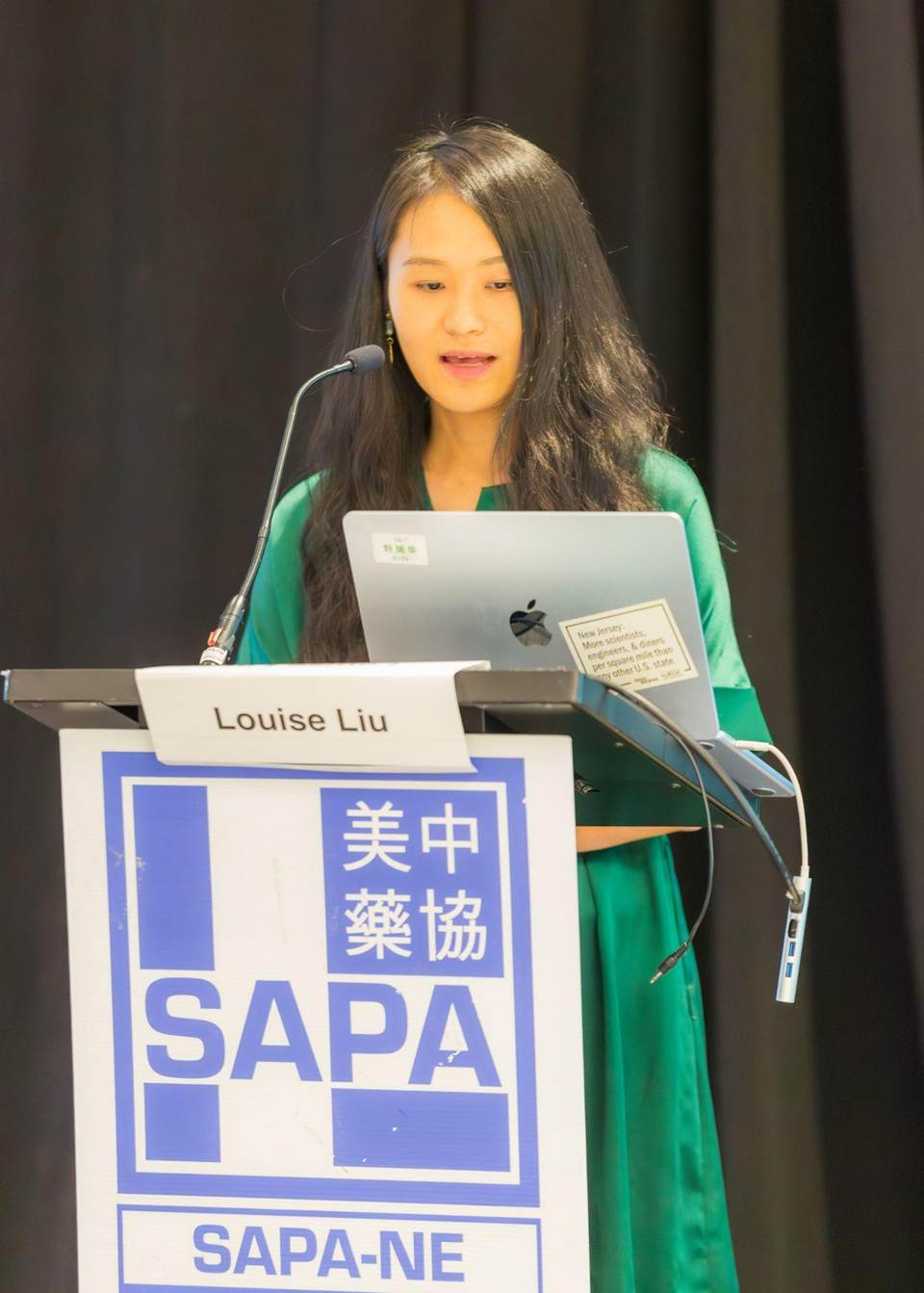
Louise Liu, PhD, MBA Hill Research presented an application of AI in clinical trial data automation, with a focus on auditability and regulatory readiness. Her platform, TriClick, was designed for GCP-compliant workflows, including traceability, version control, and generation of regulatory-ready outputs.
Her talk demonstrated how AI can compress traditionally time-intensive clinical data tasks, including evidence generation, biostatistics, data management, and trial monitoring. The key message was not simply automation for speed, but trustworthy automation that can withstand regulatory scrutiny.
𝗫𝗶𝗻𝗴𝗳𝗲𝗻𝗴 𝗕𝗮𝗼, 𝗚𝗩𝟮𝟬 𝗧𝗵𝗲𝗿𝗮𝗽𝗲𝘂𝘁𝗶𝗰𝘀 𝗙𝗿𝗼𝗺 𝗣𝗮𝘁𝗶𝗲𝗻𝘁 𝗕 𝗖𝗲𝗹𝗹𝘀 𝘁𝗼 𝗙𝗶𝗿𝘀𝘁-𝗶𝗻-𝗖𝗹𝗮𝘀𝘀 𝗕𝗶𝗼𝘁𝗵𝗲𝗿𝗮𝗽𝗲𝘂𝘁𝗶𝗰𝘀

Xingfeng Bao GV20 Therapeutics introduced a “human-to-human” approach: learning from immune experiments already taking place inside the human body. By mining human B-cell and immune repertoire data, GV20 aims to identify functional antibodies and novel targets grounded in human biology.
The talk showed how AI can help discover targets, prioritize antibodies, and accelerate development while still relying on experimental validation. One important insight was that teams may sometimes move promising programs forward while continuing to deepen mechanistic understanding, rather than waiting for every mechanistic question to be fully resolved.
This was a compelling example of AI-enabled discovery connected directly to translational and clinical development.
𝗕𝗿𝗲𝗮𝗸𝗼𝘂𝘁 𝗦𝗲𝘀𝘀𝗶𝗼𝗻: 𝗖𝗠𝗖 𝗣𝗮𝗻𝗲𝗹 𝗖𝗵𝗮𝗶𝗿: Huijuan Li, GSK, 𝗠𝗼𝗱𝗲𝗿𝗮𝘁𝗼𝗿: Bo (Amelia) Zhang, GSK, 𝗣𝗮𝗻𝗲𝗹𝗶𝘀𝘁𝘀: Gang Wang, Moderna; Julia O'Neill, 𝗗𝗶𝗿𝗲𝘅𝗮 𝗖𝗼𝗻𝘀𝘂𝗹𝘁𝗶𝗻𝗴; Wanmei Ou, GSK; Laura Daley, Catalent

The CMC breakout panel addressed one of the most complex environments for AI adoption: chemistry, manufacturing, and controls.
The panelists discussed the reality of deploying AI in a highly regulated space where data quality, traceability, validation, and human review are non-negotiable. Key use cases included knowledge management, deviation management, root-cause analysis, process development, tech transfer, regulatory documentation, and submission support.
A recurring theme was that CMC organizations often have enormous amounts of knowledge, but it is distributed across sites, functions, systems, and people. AI can help connect this knowledge, but only if companies first build strong data foundations and integrate systems such as QMS, LIMS, MES, and data lakes.
The panel also drew a distinction between AI hype and production reality. In many regulated CMC use cases, current production systems may still be rule-based or traditional ML rather than fully generative. That is not a weakness, it reflects the need for trust, consistency, and validation.
The CMC discussion made clear that AI in manufacturing and quality will not be successful as a stand-alone tool. It must be embedded into validated workflows, governed by subject matter experts, and aligned with regulatory expectations.
𝗛𝗮𝗻𝗱𝘀-𝗢𝗻 𝗚𝗲𝗻𝗔𝗜 𝗪𝗼𝗿𝗸𝘀𝗵𝗼𝗽 𝗧𝗼𝗺𝗺𝘆 𝗧𝗮𝗻𝗴, 𝗔𝘀𝘁𝗿𝗮𝗭𝗲𝗻𝗲𝗰𝗮 𝗨𝘀𝗶𝗻𝗴 𝗖𝗹𝗮𝘂𝗱𝗲 𝗖𝗼𝗱𝗲 𝗳𝗼𝗿 𝗥𝗡𝗔-𝘀𝗲𝗾 𝗔𝗻𝗮𝗹𝘆𝘀𝗶𝘀

🎯 Ming "Tommy" Tang AstraZeneca led a hands-on workshop showing how coding agents can be used for RNA-seq analysis. This session brought the conference theme directly into practice.
Instead of discussing AI abstractly, attendees had the opportunity to learn how GenAI tools can support real bioinformatics workflows. The workshop reflected a broader shift in the field: coding agents are becoming practical collaborators for analysis, troubleshooting, scripting, and workflow acceleration.
For many scientists, this may be one of the most immediate entry points into AI-enabled work.
𝗦𝗲𝘀𝘀𝗶𝗼𝗻 𝗜𝗩: 𝗖𝗼𝗺𝗺𝗲𝗿𝗰𝗶𝗮𝗹, 𝗕𝗗 & 𝗦𝘁𝗿𝗮𝘁𝗲𝗴𝘆 𝗖𝗵𝗮𝗶𝗿: Yongle Pang, Kymera Therapeutics
Session IV expanded the conversation from discovery execution to datasets, partnerships, open science, and business strategy.
𝗔𝘆𝗹𝗮 𝗘𝗿𝗴𝘂𝗻, 𝗚𝗶𝗻𝗸𝗴𝗼 𝗗𝗮𝘁𝗮𝗽𝗼𝗶𝗻𝘁𝘀 / 𝗚𝗶𝗻𝗸𝗴𝗼 𝗕𝗶𝗼𝘄𝗼𝗿𝗸𝘀 𝗧𝗼𝘄𝗮𝗿𝗱𝘀 𝟭𝟬𝟬,𝟬𝟬𝟬 𝗦𝗺𝗮𝗹𝗹 𝗠𝗼𝗹𝗲𝗰𝘂𝗹𝗲𝘀: 𝗕𝘂𝗶𝗹𝗱𝗶𝗻𝗴 𝗔𝗜-𝗥𝗲𝗮𝗱𝘆 𝗧𝗿𝗮𝗻𝘀𝗰𝗿𝗶𝗽𝘁𝗼𝗺𝗶𝗰 𝗗𝗮𝘁𝗮𝘀𝗲𝘁𝘀 𝘄𝗶𝘁𝗵 𝗗𝗥𝗨𝗚-𝘀𝗲𝗾

Ayla Ergun presented Ginkgo Bioworks’s work building large-scale transcriptomic perturbation datasets using DRUG-seq. Her talk highlighted the importance of generating AI-ready biological data at scale.
Ginkgo’s Virtual Cell Pharmacology Initiative aims to profile up to 100,000 small molecules, starting in THP1 cells, and release data publicly to engage the broader community. This open-data strategy is designed to help researchers build better predictive models and understand what kinds of data improve AI performance.
Her presentation reinforced a core theme of the day: better AI in biology will require better experimental datasets, not just larger datasets, but carefully designed, reproducible, and biologically meaningful ones.
𝗗𝗮𝗻 𝗭𝗵𝗲𝗻𝗴, 𝗧𝗮𝗸𝗲𝗱𝗮 𝗔𝗜 𝗣𝗮𝗿𝘁𝗻𝗲𝗿𝘀𝗵𝗶𝗽𝘀 𝗳𝗼𝗿 𝗗𝗿𝘂𝗴 𝗗𝗶𝘀𝗰𝗼𝘃𝗲𝗿𝘆

Dan Zheng shared Takeda’s strategic approach to AI partnerships. Her talk made an important distinction: AI partnership is not simply about buying access to a tool. It is about deciding when to access external capabilities, when to co-develop and internalize capabilities, and when to engage the broader ecosystem.
She described multiple partnership archetypes, including technology access, co-development, foundational data infrastructure, and pre-competitive collaboration. Examples included partnerships around AI-native data infrastructure, structural biology, generative biologics, and small molecule discovery.
Her lessons were highly practical: demand proof before scale, look for real biological validation rather than demos, define success early, align the organization before the partnership starts, and ensure cultural fit. In AI BD, the signal is not a beautiful pitch deck. The signal is whether the platform can solve a real scientific or therapeutic problem.
𝗟𝗶𝗽𝗲𝗻𝗴 𝗟𝗮𝗶, 𝗫𝘁𝗮𝗹𝗣𝗶 𝗕𝗲𝘆𝗼𝗻𝗱 𝘁𝗵𝗲 𝗛𝘆𝗽𝗲: 𝗔𝗜 & 𝗢𝗽𝗲𝗻 𝗦𝗰𝗶𝗲𝗻𝗰𝗲 𝗶𝗻 𝗗𝗿𝘂𝗴 𝗗𝗶𝘀𝗰𝗼𝘃𝗲𝗿𝘆

Lipeng Lai XtalPi Inc. brought a broad historical and strategic view of AI drug discovery. He emphasized that in drug discovery, data remains the most valuable asset, and AI should be viewed as infrastructure rather than a single product.
He discussed XtalPi’s work across modalities such as peptides and nucleic acids, combining AI models with automated experimental loops. A major takeaway was that models must be built for the specific modality and question at hand.
The right question is not simply “Which model is best?” but what data, what modality, and what learning loop are needed?
Lipeng also highlighted the importance of open science and negative data. As AI moves from chemistry toward biology, the ability to generate, share, and learn from both positive and negative hypotheses will become increasingly important.
𝗕𝗿𝗲𝗮𝗸𝗼𝘂𝘁 𝗣𝗮𝗻𝗲𝗹: 𝗖𝗵𝗶𝗻𝗮–𝗨𝗦 𝗕𝗗 𝗣𝗮𝗻𝗲𝗹 𝗖𝗵𝗮𝗶𝗿: Zhiyou Deng, Moderna, 𝗠𝗼𝗱𝗲𝗿𝗮𝘁𝗼𝗿: Jiamin Zhuo, EMD Serono, Inc., 𝗣𝗮𝗻𝗲𝗹𝗶𝘀𝘁𝘀: Hemmie Chang, Arnold & Porter; Weisheng Chen, Leveragen; Naveen Krishnan, Aditum Bio, Jack Wu, PhD, MBA, Takeda, Youxin Zhang, Innovent Biologics

The China–US BD panel explored one of the most important shifts in global biopharma: China’s role is evolving from a source of assets to a potential co-creator in global drug development.
Panelists discussed recent deal trends, including licensing, co-development, new company creation, and cross-border investment strategies. The conversation highlighted China’s strengths in speed, cost efficiency, translational capability, CRO/CDMO infrastructure, and talent density.
At the same time, the panel did not ignore the challenges. Cross-border BD requires careful diligence around data quality, clinical translatability, IP, regulatory expectations, geopolitical risk, and operational execution.
The discussion showed that China–US collaboration is entering a more sophisticated phase. The future may not be defined by one-way licensing alone, but by more integrated global development models that combine innovation, capital, clinical execution, and regulatory strategy across geographies.
𝗙𝗶𝗻𝗮𝗹 𝗣𝗮𝗻𝗲𝗹: 𝗔𝗜 𝗔𝗱𝗼𝗽𝘁𝗶𝗼𝗻 𝗶𝗻 𝗣𝗵𝗮𝗿𝗺𝗮: 𝗙𝗿𝗼𝗺 𝗛𝘆𝗽𝗲 𝘁𝗼 𝗥𝗲𝗮𝗹𝗶𝘁𝘆 𝗠𝗼𝗱𝗲𝗿𝗮𝘁𝗼𝗿: Bo Yan, Beam Therapeutics, 𝗣𝗮𝗻𝗲𝗹𝗶𝘀𝘁𝘀: Bart Naughton, Eisai US, Dann Huh, Raven Healthcare Incubator (RA Capital); Parul Bordia Doshi, Cellarity; Cathy Kuang, Takeda


The final panel brought the day back to a practical question: after all the
excitement, what is actually working?
The panelists offered perspectives from large pharma, biotech, AI-native platforms, and venture creation. They discussed tools already in production, including coding agents, literature search, data analysis, content generation, and workflow automation.
One useful definition emerged: production AI is not a shiny pilot. It means real users, repeated use, and measurable workflow change.
The panel also addressed failure modes. Some AI-native platforms have not delivered the expected speed. Some foundation models do not yet give biologists the outputs they truly need. Some pilots look impressive on curated data but fail to scale because data are fragmented, workflows are siloed, or organizational alignment is missing.
The discussion around due diligence was especially sharp: AI should not be evaluated with a lower standard because it is exciting. Extraordinary claims require extraordinary evidence. Teams need clear goals, realistic alternatives, validation plans, and an understanding of whether a solution is truly better than what can be built internally.
The talent discussion closed the loop with one of the day’s central themes: the future requires “purple people”, translators who can connect biological questions, AI models, data engineering, experimental design, and business decisions. The most valuable talent may not be the deepest specialist in one domain, but the person who can ask the right question, understand the output, and translate it into action.
𝗖𝗼𝗻𝗰𝗹𝘂𝘀𝗶𝗼𝗻: 𝗧𝗵𝗲 𝗡𝗲𝘅𝘁 𝗦𝘁𝗮𝗴𝗲 𝗼𝗳 𝗔𝗜 𝗶𝗻 𝗟𝗶𝗳𝗲 𝗦𝗰𝗶𝗲𝗻𝗰𝗲𝘀
Across the conference, several themes emerged again and again.
First, AI is not an add-on. The biggest impact comes when workflows are redesigned around new capabilities.
Second, data is the foundation. AI-ready data requires quality, context, metadata, governance, and connection across systems.
Third, automation matters. Automation is not only about speed. It is about generating reliable, high-fidelity data that can feed learning loops.
Fourth, human judgment becomes more valuable, not less. AI can reason, search, summarize, code, and propose. But humans still define the question, evaluate the answer, understand biology, and make decisions.
Fifth, adoption is an organizational challenge. The barriers are often not technical alone. They include trust, security, regulation, governance, culture, incentives, and leadership behavior.
Finally, the future is collaborative. No single company, model, dataset, or platform can solve the complexity of biology alone. Progress will require partnerships across pharma, biotech, technology, academia, payers, regulators, investors, and global innovation ecosystems.
The 28th SAPA-NE Annual Conference captured a field in transition: moving beyond hype, beyond isolated pilots, and toward practical systems that connect models, data, experiments, decisions, and patients.
That is the real meaning of AI at the Bench - From Models to Medicines.
A sincere thank you to all speakers, panelists, moderators, sponsors, volunteers, and attendees who made this conference an inspiring and deeply practical conversation about the future of life sciences. Conference chair: ☞ Kejie Li
#SAPANE #AIatTheBench #ModelsToMedicines #DrugDiscovery #LifeSciences #Biotech #PharmaAI #GenerativeAI #RealWorldEvidence #CMC #ClinicalDevelopment #BusinessDevelopment #AIinHealthcare
Drafted by: Tracy Zhang, Yudan Zhang, Xiaofeng Li, Suning Wang




![[年会报道] 第26届SAPE-NE年会盛大召开,探索医药行业新纪元](https://static.wixstatic.com/media/200023_f31de0c45bcd4bc581c8e9c41ca4325c~mv2.png/v1/fill/w_975,h_549,al_c,q_90,enc_avif,quality_auto/200023_f31de0c45bcd4bc581c8e9c41ca4325c~mv2.png)
Comments